
Why Does the Beach Make Us So Tired?
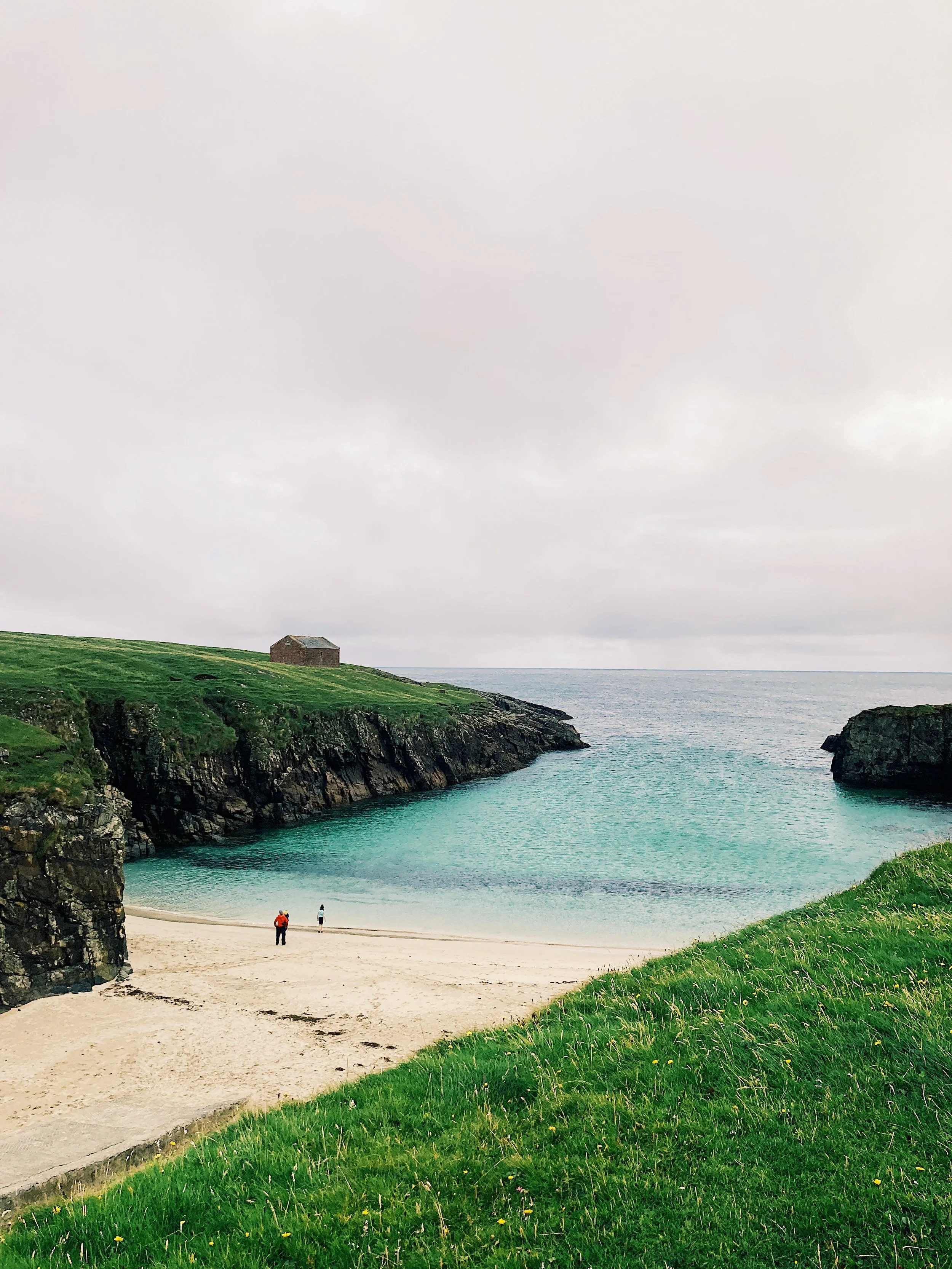
Living so close to the sea, we often find ourselves drawn to the beach whenever the weather allows. It’s become a wee tradition, a way for us to reset as a family and to soak in the shifting tides. No matter the season, we always come home feeling the same way…. legs aching, eyelids heavy and the kind of tired that makes the living room sofa feel like the most inviting place in the world.
But why does a simple day by the shore leave us feeling like we’ve run a marathon?
The Science of Seaside Exhaustion
I am no scientist but being autistic means I love a bit of deep research and what I have found is that there are a few reasons the beach has this effect, it turns out, it’s not just in our heads.
1. Fresh Air Overload
The sea air is rich in negative ions, which are said to increase oxygen absorption and boost serotonin levels. This is why the beach makes you feel refreshed and clear-headed. But breathing in all that fresh, salty air for hours is like a deep cleanse for your lungs, leaving you both invigorated and a little bit drained.
2. Constant Movement (Even When You Don’t Realise It)
Walking on sand is no joke. It engages muscles that normally don’t get much attention, forcing your legs and core to work harder than they would on solid ground. Even standing still requires balance and micro-adjustments. If you’ve spent time chasing wee ones, skimming stones, or just meandering along the shore, you’ve probably done a solid workout without even realising it.
3. The Element of Cold Water
Whether it’s a full-on swim, a paddle, or just wet feet from an unexpected wave, exposure to cold water activates your body’s thermoregulation process. Your heart works harder, circulation increases, and your body burns more energy to keep warm. Even the sea breeze alone can trigger a similar effect.
4. Sensory Overload (In a Good Way)
The beach is a feast for the senses… crashing waves, shifting light, salty air, gritty sand, the calls of seabirds. It’s grounding and immersive but also subtly overstimulating. Your brain is processing a constant flow of sensory information, which, by the end of the day, can be mentally exhausting (especially for neurodivergent folks like us).
5. Sun, Even in Winter
Even on a crisp winter’s day, the sun reflecting off the sea can be intense. Sun exposure increases melatonin production, which helps regulate sleep but can also make you feel drowsy as the day winds down. Pair that with the rhythmic sound of the waves, and it’s no wonder we all feel ready to curl up afterwards.
The Best Kind of Tired
Beach tired is different from other kinds of exhaustion. It’s not the sluggish, drained feeling you get from too much screen time or a restless night. It’s a full-body, contented weariness, like your muscles and mind are thanking you for the fresh air and movement. It’s the kind of tired that makes dinner taste better, that makes an early bedtime feel like a treat, that reminds you that sometimes, the simplest days are the most fulfilling.
So, if you ever wonder why you feel like you could or do fall asleep at 7 p.m. after a day by the shore… there’s your answer. Personally, I wouldn’t have it any other way.
Do you find the beach has the same effect on you? Let me know… I’d love to hear! 🌊
Til Next Time | Lesley-Anne
